Photoshoot Preparation Checklist for Business Shoots
Most photoshoot preparation advice online is written for models, hobbyists or couples planning engagement photos. It talks about hydration, beauty sleep and finding good light at golden hour. None of that is much use when you have fourteen members of staff to photograph between nine and one, a pallet of product samples arriving the day before, and a site manager who needs to know exactly when a drone will be in the air above the yard.
Commercial shoots fail for logistical reasons far more often than creative ones. The lighting is almost never the problem. The problem is that three people did not know what to wear, the product samples arrived scuffed, or nobody checked whether the neighbouring landowner was happy about a drone passing overhead. This photoshoot preparation checklist is built around those practical realities, broken down by the three kinds of shoot businesses book most.
Before anything else: agree what the images are for
Every decision downstream flows from this. A headshot destined for a LinkedIn profile has different requirements to one going on a tender document or a reception wall. A product image for a marketplace listing has technical constraints that a lifestyle shot for social media does not. An aerial photograph for a planning application needs to show boundaries and context, while one for a marketing brochure wants drama.
Write down, in a sentence or two, what each set of images is for and where it will be published. Share that with the photographer before any other detail. It will shape the framing, the aspect ratios, the background treatment and the file formats you receive.
Corporate headshot day: the preparation that actually matters
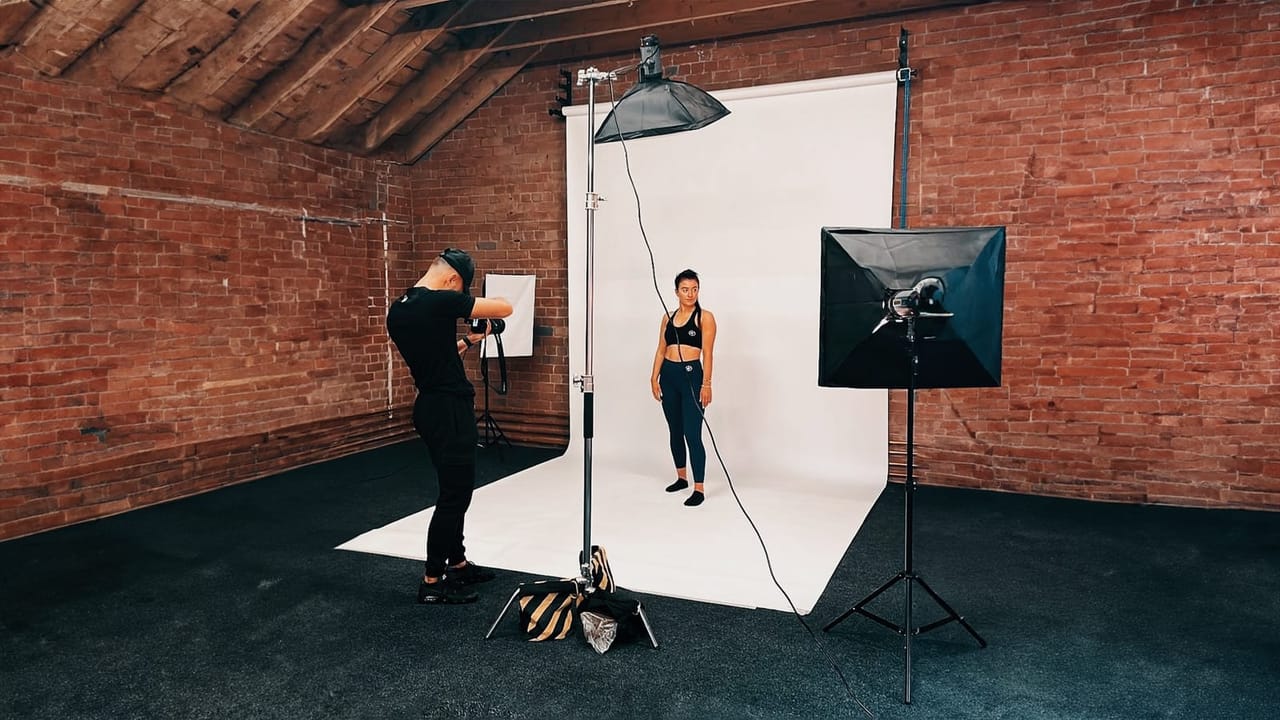
Headshot days are mostly an exercise in scheduling. The photography itself takes a few minutes per person once the lighting is set.
Build a slot schedule, and overestimate. Allow more time per person than you think you need, particularly for anyone who is nervous in front of a camera. A rushed subject looks rushed in the final image. Build in a buffer every hour so that one overrunning meeting does not push the entire day back. Send the schedule to people individually rather than posting it on a shared board that nobody reads.
Set a dress code and be specific. "Smart" means different things to different people, and you will end up with a set of portraits that cannot sit together on a team page. Specify the layer you want, the colour range and anything you want avoided. Solid colours work better than fine stripes or small checks, which can produce odd interference patterns. Mid to dark tones generally sit well against a plain background. If people wear branded polo shirts or uniform, say whether they should be worn, and make sure clean ones are available.
Decide the backdrop before the day. A plain studio background, an office environment, or something on site all produce very different results and need different setups. If you want backgrounds in a brand colour, supply the colour value in advance. Mixing environments across a single team page tends to look accidental rather than deliberate.
Plan for absences and for the room itself. There is always someone on holiday or working from another site, so decide in advance whether you will run a catch-up session, because matching earlier lighting is far easier when it is planned than improvised weeks later. If the shoot is at your premises, the photographer needs floor space, power sockets and somewhere people can wait without crowding the set. A mirror and somewhere to hang a jacket make a noticeable difference.
Product photography: condition is everything
A camera is unforgiving. Fingerprints, dust, scuffed corners, crooked labels and worn packaging all show up clearly, and while some can be retouched out, retouching takes time and adds cost.
Send the best samples you have, not the nearest ones. Pull stock specifically for the shoot and inspect each item under bright light. Check for scratches, marks on white surfaces, loose threads on textiles and dents on packaging. Supply more than one of each item where you can, so there is a backup if something gets damaged in handling.
Decide on packaging early. Do you want products photographed in their packaging, out of it, or both? Is the packaging current, or is a redesign in progress? Shooting a product in packaging that is about to be replaced is an expensive mistake.
Supply brand assets up front. Logo files in vector format, brand colour values, fonts and any existing imagery the new photographs need to sit alongside. If you have a listing template with fixed dimensions or a required amount of white space around the subject, send the specification rather than describing it.
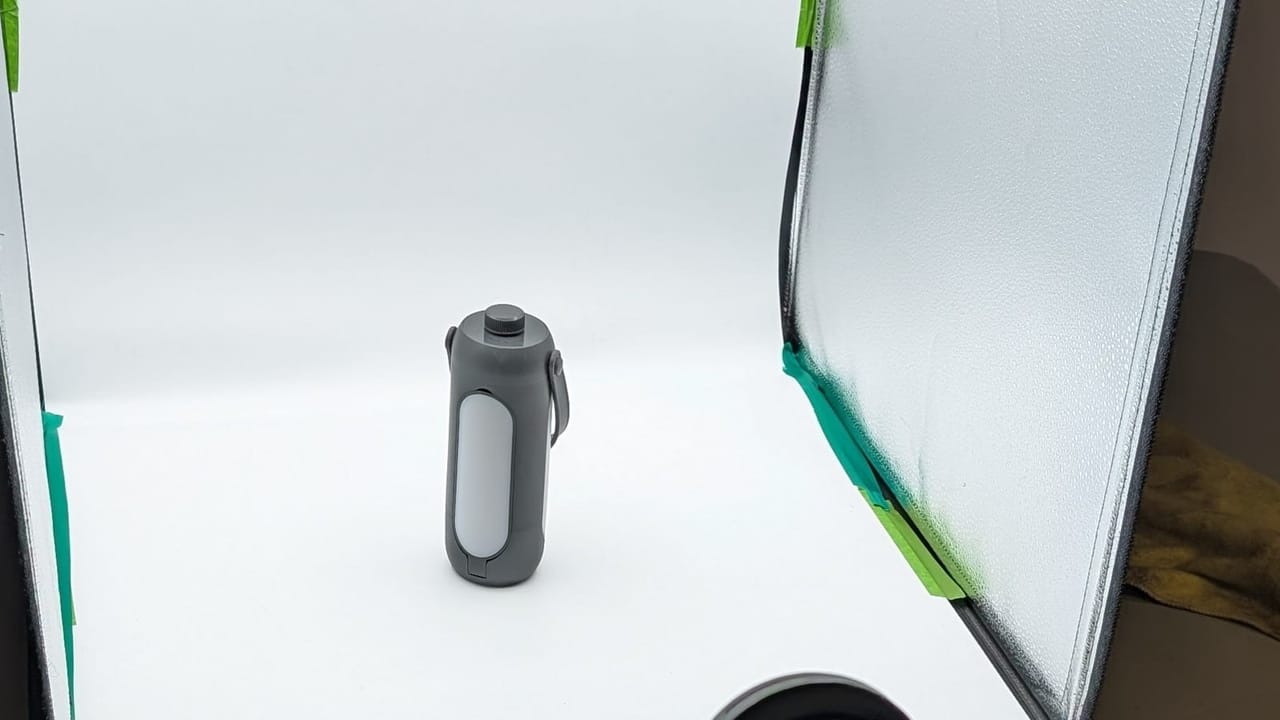
Think about surfaces and props. Plain white backgrounds suit e-commerce listings. Textured surfaces such as wood, stone or fabric suit lifestyle and social imagery. If you want a specific surface, say so early, because sourcing takes time. The same applies to props that give scale or context.
Prioritise the list. If you have sixty products and a one-day shoot, decide which twenty genuinely matter. Working down a list in priority order means that if time runs short, the items you lose are the ones you cared about least.
Aerial and drone shoots: permissions before pictures
Aerial work carries the longest preparation tail because so much of it happens before anyone turns up with a camera.
Confirm site access and timing. The pilot needs somewhere safe to take off and land, with a clear view of the aircraft throughout the flight. On an active site, that usually means coordinating with a site manager, agreeing a window when vehicle movements are low, and briefing anyone working below the flight path.
Sort permissions in writing. Landowner permission is needed for take off and landing. Depending on the location, you may also need to notify neighbouring sites, a local authority or a managing agent. Operating near airports, military sites, prisons and some other locations is restricted, so flag the exact address early so airspace can be checked properly rather than assumed.
Ask about the operator’s credentials. A professional drone operator should hold the appropriate Civil Aviation Authority registration and insurance for commercial flight. Some clients and sites will want to see documentation before granting access, so request it in advance rather than on the morning.
Plan around weather honestly. Wind, rain and poor visibility can ground a flight or produce footage that is not worth keeping. Overcast conditions are often perfectly good for aerial stills, but strong gusts are not negotiable. Agree a reserve date when you book. It is far easier to move a shoot that already has a fallback slot than to restart the scheduling conversation from scratch.
Tidy what you can. Aerial photographs show everything. Skips, parked cars, pallets and stacked materials are all visible from above, so give yourself time to clear what can reasonably be cleared.
What to send the studio before the shoot
A good brief saves hours on the day. Send the following in one place rather than across a chain of messages:
- The purpose of the images and where they will be published
- A shot list, in priority order, with anything non-negotiable marked clearly
- Example images you like, and ideally a couple you do not, with a note on why
- Full site address, access arrangements, parking and any security or induction requirements
- A named contact on the day with a mobile number
- Brand guidelines, logo files and colour values
- Any deadline the images need to meet
If there are people who must appear in the images, or areas that must not be photographed for confidentiality or safety reasons, say so explicitly.
On the day, and what happens afterwards
Expect setup time before the first frame is taken. Lighting a headshot set or arranging a product table properly takes longer than most people assume, and it is time well spent. Nominate one person to make decisions on the day. Shoots slow down dramatically when nobody present has the authority to approve a change.
Reviewing images as you go is useful in moderation. Checking the first few frames of each setup catches problems early. Reviewing every single frame on a laptop stops the shoot dead.
Afterwards, selection and editing take time. Raw files straight from a camera are not finished images. Agree in advance how the selection process works, how many rounds of amends are included, what file formats and resolutions you will receive and how the images will be delivered. Agree the turnaround window too, and make sure it is written down somewhere you can both refer back to.
Preparation is not about perfectionism. It is about removing the small uncertainties that otherwise eat into the time you are paying for. A shoot where everyone knows where to be, what to wear and what the images are for will always produce better results than one where the photographer is improvising around gaps in the brief.
If you are planning a headshot day, a product catalogue or a site survey from the air and want to talk through what your shoot needs before you commit to a date, you can find out more about portrait and aerial photography from Flexxed and start the conversation there.
Questions
Frequently Asked Questions
How far in advance should we start preparing for a commercial photoshoot?
For a headshot day involving several staff, start two to three weeks ahead so people have time to arrange cover and sort out what they are wearing. Product shoots need enough lead time to get samples to the studio in good condition. Aerial work is the most sensitive, because permissions and site access can take longer than the shoot itself.
What should staff wear for corporate headshots?
Solid colours photograph better than busy patterns, and mid to dark tones usually sit more comfortably against a plain backdrop. The important thing is consistency across the group, so set a simple dress code in advance rather than leaving it to individual interpretation.
Do we need to supply our brand guidelines before a shoot?
It helps enormously. Colour values, logo files, fonts and examples of imagery you already use give the photographer a reference point for backdrops, surfaces, props and crop ratios, which reduces the amount of reshooting or reworking needed later.
What happens if the weather is bad on the day of a drone shoot?
Aerial work is genuinely weather dependent. Strong wind, heavy rain and poor visibility can all make a flight unsafe or produce unusable footage. The usual approach is to agree a reserve date at the time of booking so the shoot can move without renegotiating everyone’s diary.
How long does it take to get images back after a shoot?
Turnaround depends on the volume of images and the level of retouching involved. A single headshot session returns faster than a large product catalogue. Agree the expected timescale and the review process before the shoot rather than after it.