Podcast Studio Hire in Darwen, Near Blackburn: Guide
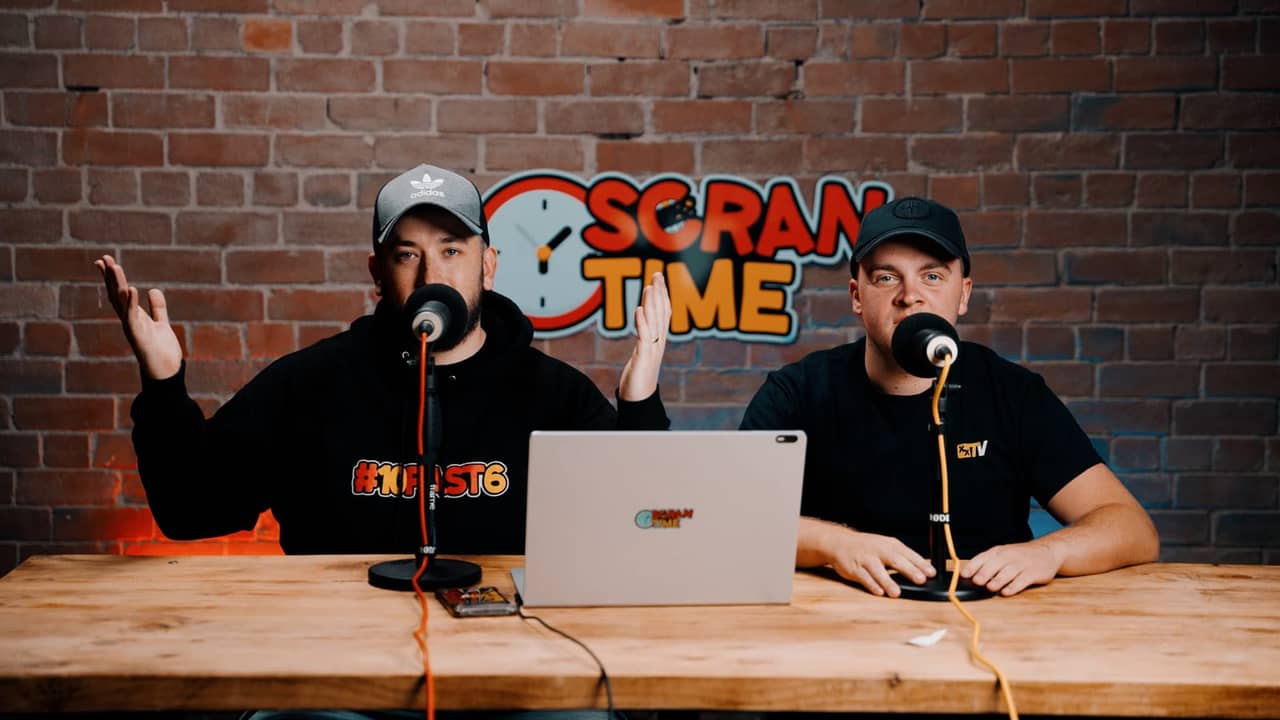
Hiring a podcast studio removes the most tedious part of making a show. No clearing the meeting room, no borrowing a microphone that never quite sounds right, no discovering halfway through that the air conditioning has been humming over every take. You turn up, sit down, talk, and leave with files that are ready to edit.
This guide explains what podcast studio hire actually involves in practice: what is in the room, what changes when you bring in an operator, how video and multicam work, why so many bookings now come from businesses rather than hobbyists, and how to get to Darwen from wherever you are in Lancashire.
What is in the studio
The point of a purpose-built room is that the difficult things have already been solved before you arrive.
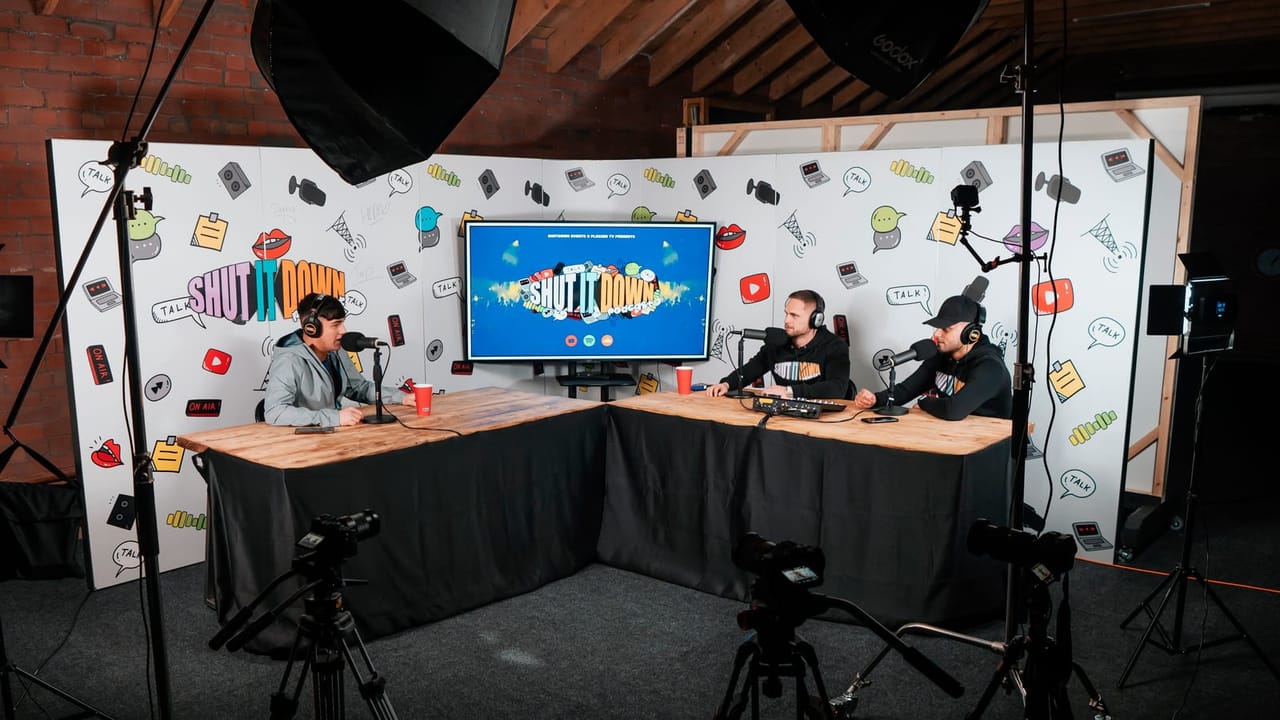
Microphones. A podcast lives or dies on its audio. Studio hire gives you broadcast-standard microphones on adjustable boom arms, positioned so guests can sit comfortably without leaning in or drifting off-mic. Each person is recorded on their own channel, which matters far more than most first-time podcasters expect. Separate tracks mean a cough, a dropped pen or one person talking over another can be cleaned up in the edit rather than baked permanently into a single mixed file. Headphones are provided so everyone can hear themselves and each other properly, which naturally steadies the pace of a conversation.
Acoustics. This is the part you cannot buy your way out of with better equipment. A treated room controls reflections so voices sound close and warm rather than boxy. It is the difference between a recording that sounds professional and one that sounds like it was made in an office, and it is the single biggest reason people stop trying to record at their desk.
Cameras. Video is no longer optional for most shows. The studio is rigged for filmed podcasts, with cameras framing each seat plus a wider angle that takes in the whole table, so the finished episode can cut between speakers rather than sitting on one static shot for an hour.
Lighting. Studio lighting is set and controlled, not left to whatever daylight happens to be coming through a window at two in the afternoon. That means consistent skin tones, no harsh shadows, and episodes that match each other visually even when they were recorded weeks apart.
Sets and backdrops. There are set options so your show has a look rather than a blank wall behind it. If you have brand colours or want particular items on the table, mention it when you book and it can usually be worked into the setup. A fuller breakdown of the room and the formats it supports sits on the podcast recording studio page.
With or without a Flexxed operator
Two ways of booking, and the right one depends entirely on how you want to spend your attention.
Self-operated hire suits people who already know what they are doing. You have made podcasts before, you understand gain staging, you are comfortable starting and stopping the recording and checking levels between segments. You get the room and the kit, and you run the session yourself. It is the cheaper route and it gives you complete control over pacing.
Booking with an operator suits almost everyone else, and plenty of experienced hosts choose it anyway. A Flexxed operator sets the room up before you arrive, runs the sound check, monitors levels throughout, watches the camera framing, flags anything that will cause problems later and handles the files at the end. The difference this makes is not purely technical. When you are not half-watching a meter, you listen properly to your guest, you ask the follow-up question you would otherwise have missed, and the conversation gets better. For interview formats in particular, that is worth more than any piece of equipment in the room.
There is a middle option too. Some people book an operator for their first two or three sessions, learn the room, then move to self-operated hire once they are confident. If that is your plan, say so at the booking stage so the session can be run as a bit of a teaching exercise.
Video podcasts and multicam
A multicam setup changes what you can do with an hour of recording.
With a single locked-off camera you have one asset: the episode. With several angles recording simultaneously, you have the episode plus the raw material for everything that promotes it. Cutting between a host shot, a guest shot and a two-shot gives the edit rhythm and keeps viewers watching past the first minute. The same footage then crops to vertical for Reels, Shorts and TikTok, which is how most new listeners actually find podcasts now.
The practical advice is to think about those clips before you record, not after. If you know you want five short extracts per episode, build the conversation around five clear, self-contained points rather than hoping they emerge. Ask your guest a question you know has a strong answer. Let them finish the thought without interrupting. Those few seconds of discipline during recording save hours of hunting through footage later.
Worth saying plainly: if you only want audio, you only need audio, and a straight audio booking is perfectly sensible. But the cameras are there, and the marginal effort of filming a session you were recording anyway is small compared with the extra reach it buys.
Business podcasts and internal communications
A growing share of studio bookings have nothing to do with a weekly show on Spotify.
Businesses use the space for recruitment films, customer case study interviews, product explainers, training modules, leadership updates and conference content. The format works because it is conversational. A director answering questions across a table sounds human in a way that a scripted piece to camera rarely does, and audiences trust it more.
Internal communications is a particularly good fit. Company all-hands sessions, policy briefings and onboarding material all land better as a short filmed conversation than as another document nobody opens. The production standard matters here more than people assume: staff notice when internal content looks like it was thrown together, and they draw conclusions from it.
For organisations across Lancashire that need this content regularly, a recurring booking is often the simplest approach. Record a quarter’s worth of material in one sitting, change shirts between segments if you want them to feel separate, and leave with a library rather than a single file.
How to book and prepare
Get in touch with the dates you are considering, roughly how long you need, how many people will be in the room, and whether you want video. If you are not sure how long to book, describe what you are making and ask: a single thirty minute interview and a day of back to back recordings need very different slots.
Allow more time than the running time of your content. A session needs setup, a sound check, a settling-in period while everyone relaxes, and some slack for a retake. Recording several episodes in one visit is the efficient move, because the setup cost is paid once.
Before the day, prepare a running order rather than a word-for-word script. Scripts make people sound stiff; bullet points keep them natural while stopping the conversation wandering. Brief your guests on what you will cover so they arrive with something to say. Send them the address and parking details in advance, because a guest who got lost on the way is a guest who needs ten minutes to calm down before they are any use on mic.
Bring brand assets if you want them on screen, and bring a drive if you want to walk out with the files. Decide beforehand who is editing. If that is you, agree the file format you want. If it is not, say what the finished deliverable needs to be.
Getting there from Blackburn and across Lancashire
Darwen sits just south of Blackburn on the A666, which makes the studio an easy journey from most of the county. From Blackburn town centre it is a short drive. From Preston, Accrington, Burnley and the wider East Lancashire area, the M65 connects straight into the route. From Bolton and the north Manchester side, the A666 runs north directly into Darwen.
Darwen railway station sits on the line between Blackburn and Bolton, which is useful if you are bringing guests who would rather not drive. Being out of a city centre also means parking is far less of a headache than it would be in Manchester or Leeds, and guests arrive unflustered.
If you are weighing up where to record your next series, or you want to talk through whether to book with or without an operator, take a look at the Flexxed podcast studio in Darwen and get in touch with the dates you have in mind.
Questions
Frequently Asked Questions
Do I need my own crew to hire the studio?
No. You can hire the space on a self-operated basis if you are confident with the kit, or book it with a Flexxed operator who handles sound, cameras and recording so you can concentrate on the conversation.
Can I record video as well as audio?
Yes. The studio is set up for video podcasts with multiple camera angles, so you get a clean audio master plus footage you can cut into full episodes and short social clips.
How long should I book for?
Allow time for setting up, a sound check and a little overrun. Many people book a half day and record two or three episodes back to back, which spreads the setup time across more content.
What do I need to bring?
Your running order or questions, any brand assets you want on screen, and somewhere to take the files away such as a portable drive. Everything technical is in the room.
Where exactly is the studio?
Darwen, a short drive from Blackburn and easily reachable from across Lancashire via the M65 and A666, with Darwen railway station on the Blackburn to Bolton line.