Hiring an Event Videographer: What to Ask Before You Book
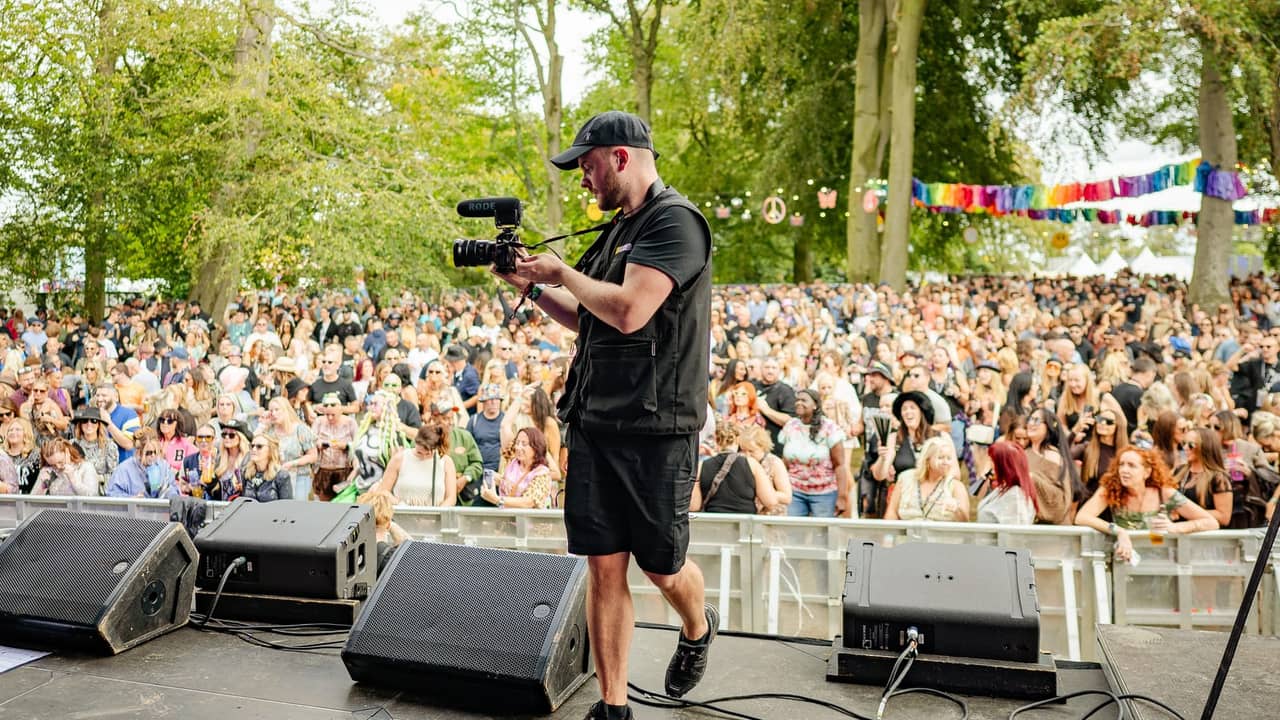
Booking an event videographer is one of those jobs that looks simple until the quotes arrive and every one of them is structured differently. One is a day rate. One is a package with a fixed number of deliverables. One is priced per camera. None of them tell you what you are actually going to get back, or when.
The difference between a video that earns its place in next year’s marketing budget and one that sits unwatched in a shared drive is rarely the camera. It is the brief, the crew size and the honesty of the conversation before anyone turns up. And it starts with a question most briefing calls skip: what job does this video need to do once the event is over? A ticket-selling highlights film, a trade press launch piece and an internal awards film are shot differently, staffed differently and edited differently. If your videographer does not ask what the footage is for, that is a warning sign in itself.
Business events: conferences, launches and awards nights
These three get lumped together as "corporate" but they present very different problems on the day.
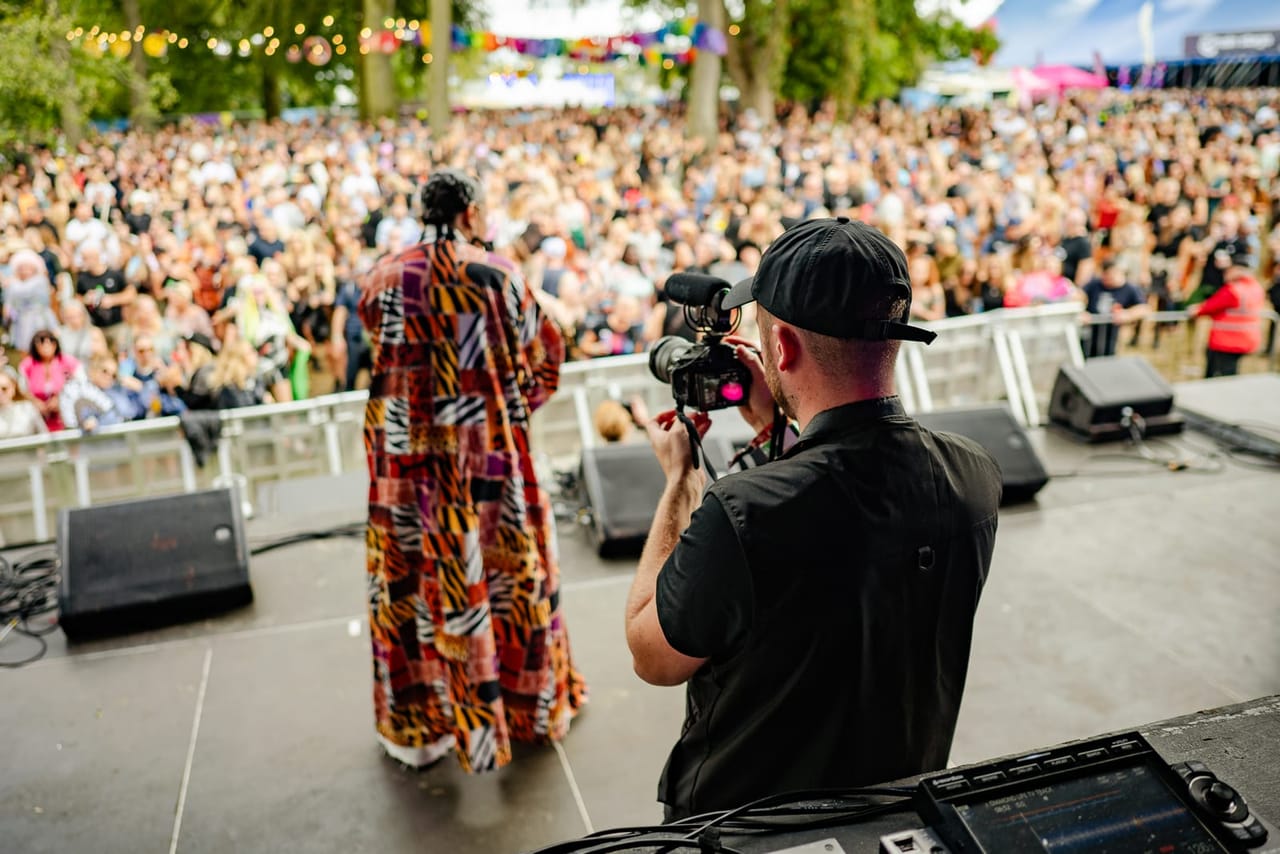
Conferences are long, largely static and heavy on speech. The real risk is audio. A camera microphone pointed at a stage forty feet away picks up mostly air conditioning and coughing. Ask how the crew intends to take audio: a direct feed from the venue’s desk is usually the cleanest route, with a lavalier or a recorder as backup. Ask whether they have worked with your AV supplier before, or at least whether they will make contact ahead of the day. Ask what happens to the slides, because cutting a keynote without the presentation on screen leaves the edit visually flat.
Also ask about the quiet hours. Conferences have long stretches where nothing much happens on stage but plenty happens in the corridors. Networking, exhibition stands, coffee queues and side conversations are what make a highlights film feel alive. A crew that stays in the main room all day will hand you a film of the backs of heads.
Product and service launches are about control. There is usually one moment that matters, the reveal, and it happens once. Ask how it will be covered: how many angles, whether there is a rehearsal the crew can attend, what the lighting is like where the product will actually stand. Ask about macro or detail shots, because launch films live or die on close-up texture and most venues do not give you time to get them once the guests arrive. If the product can be filmed separately, before or after the event, that is often a better plan than hoping for a clean shot through a crowd.
Awards nights are the hardest of the three to cover well and the most commonly underquoted. They are dark, they run late, and they are entirely made of short, unrepeatable moments. Somebody’s name is read out, they walk up, they shake a hand, they say something. If your camera was pointed elsewhere, that moment is gone and it cannot be staged again convincingly.
Ask how the crew handles low light without turning the room into a film set. Ask whether they will have someone stationed on the stage steps and someone wide on the room. Ask whether they will be given the winners' list in advance under embargo, because knowing who is about to stand up changes how a camera operator prepares. And agree in advance what happens to the footage of the speeches that ran long or the acceptance that went off script.
Festival and nightlife coverage
Festival and club filming is a different discipline with its own set of questions, and not every crew that shoots conferences well is comfortable in a field at two in the morning.
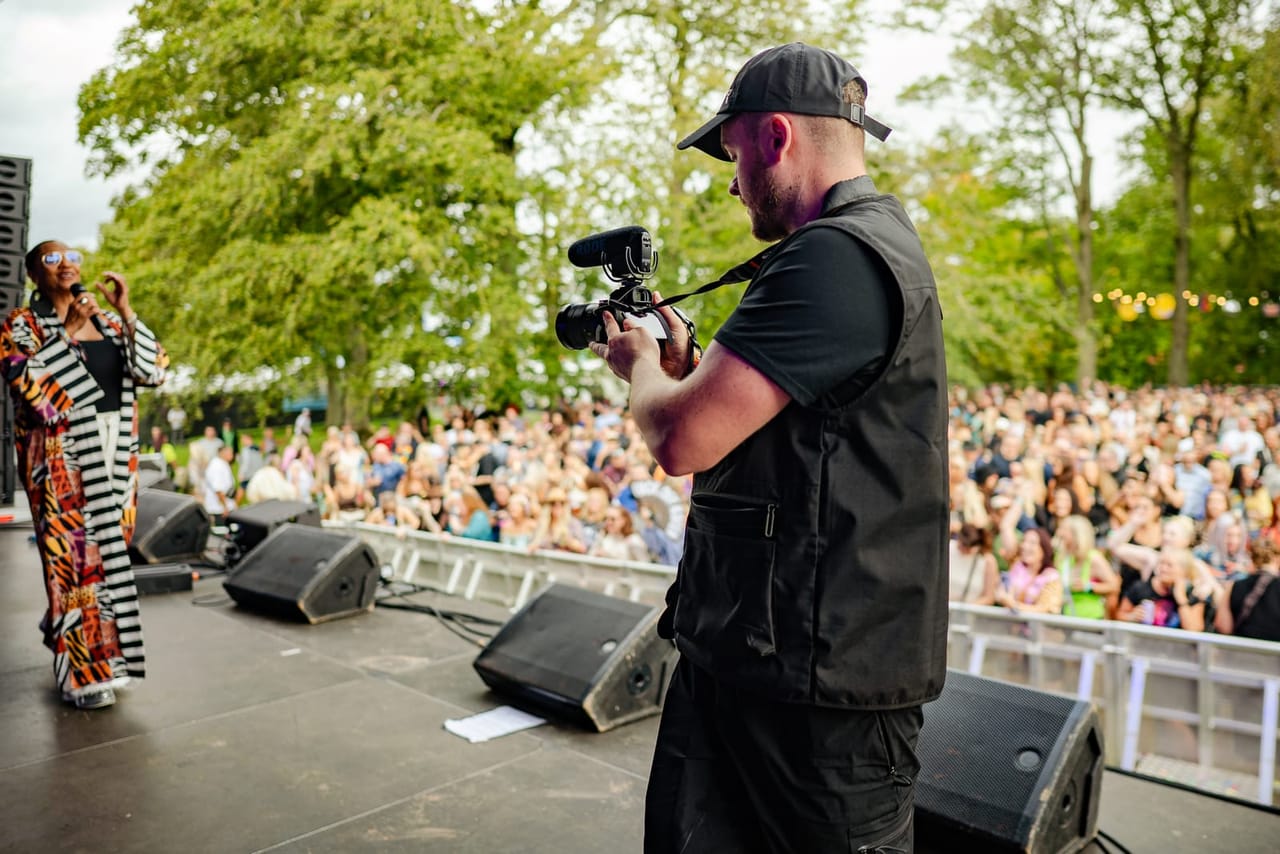
The practical constraints come first. Ask how the crew plans to power and protect kit across a multi-day site, how they handle rain, dust and heat, and whether they have worked accredited before. Photo pit rules, stage access, artist management approvals and security briefings all affect what is actually achievable, and a crew that has not dealt with them will lose half a day finding out.
Then there is the aesthetic problem. Live music and club lighting is designed for the audience, not for a camera. It strobes, it swings, it goes from black to blinding white in a frame. Ask how the crew shoots into that: how they expose for it, whether they can keep skin tones usable under heavy colour washes, and what their approach is to shutter speed when the lights are pulsing. The answers do not need to be technical enough to satisfy an engineer. They need to show that the person has thought about it before.
Crowd coverage matters more than most organisers expect. The artist footage tells people what was on the bill. The crowd footage is what makes someone want to be there next year. Ask how the crew plans to move through a busy audience safely, whether they will shoot from the stage looking out, and how they will handle consent and anyone who does not want to be filmed. For nightlife work in particular, a crew that understands the difference between documenting atmosphere and intruding on people’s night out is worth holding onto.
Crew size and multicam
The honest answer to "how many cameras do I need" is: as many as there are moments that will not happen twice.
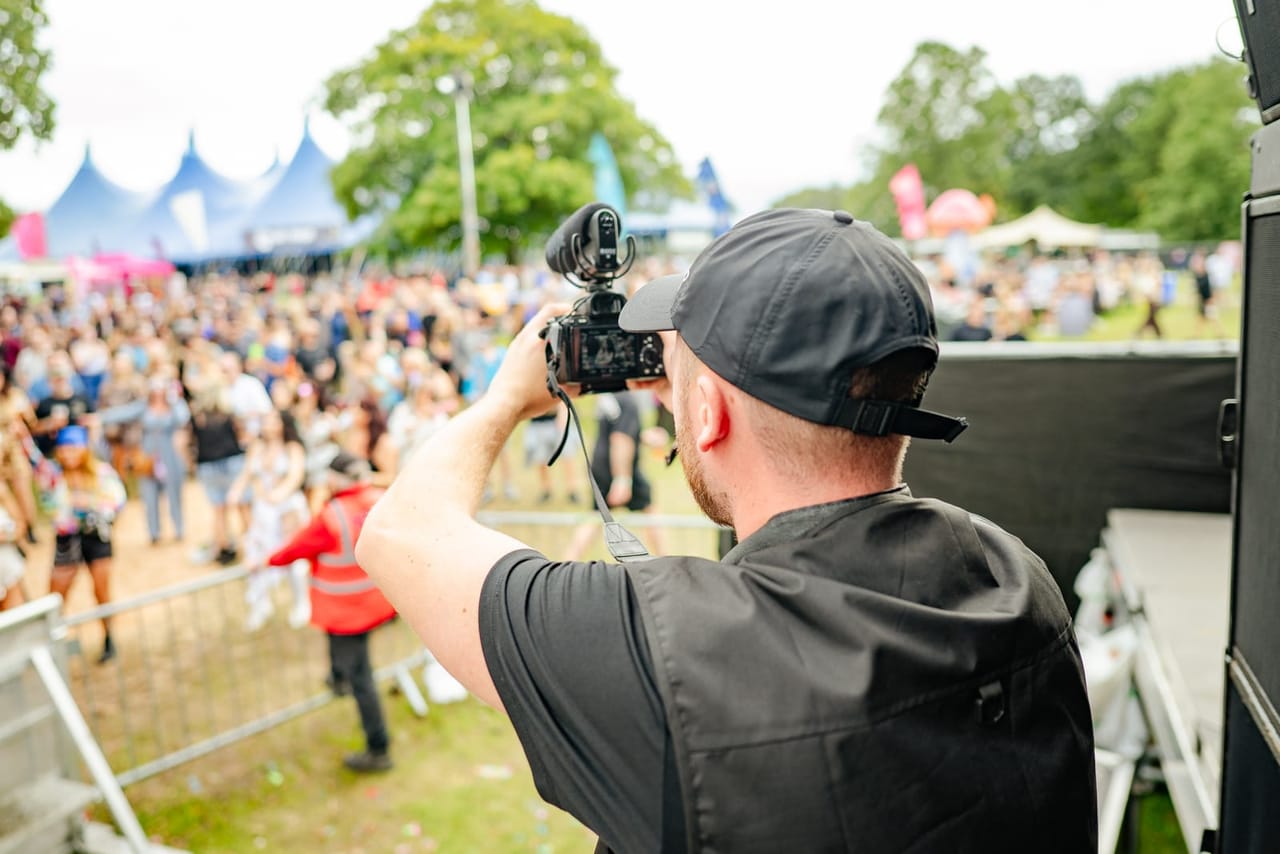
A single operator is genuinely enough for a lot of work. A half-day seminar, a small launch, a set of talking head interviews at a trade stand. One experienced person with a solid plan will often beat two people working without one.
Multicam becomes necessary the moment something unrepeatable needs to be seen from more than one angle, or the moment you want a full recording of a stage session rather than highlights. For a keynote you intend to publish in full, two cameras is the practical minimum: a locked wide and a roaming mid. For an awards night or a festival main stage, more.
Ask specifically how the crew syncs multicam footage and how they handle audio across it, because the edit cost of badly synced material is real and it usually lands on your timeline. Ask whether the additional operators are people they work with regularly or freelancers booked for the day. Both can be fine. A crew that has worked together knows without discussion who covers what when something unexpected happens on stage.
Highlights, after movies and vertical social cuts
Be precise about deliverables. "A highlights video" means nothing until you attach a duration, a purpose and a platform.
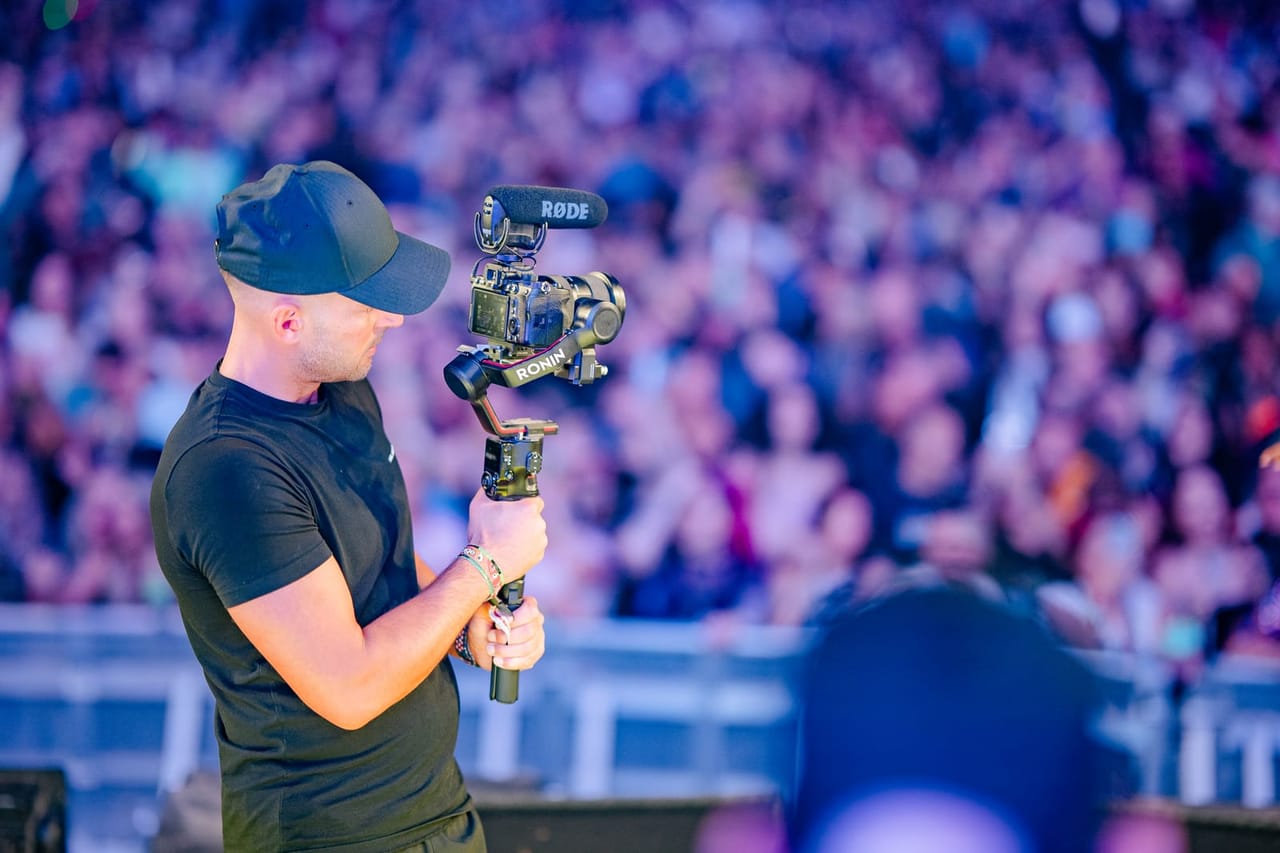
A highlights film for a business event is typically short, tightly cut and carries a message: this happened, this is who was there, this is why it mattered. An after movie for a festival or club night is usually looser and more atmospheric, built around music and energy rather than speech. They are not interchangeable and they take different amounts of edit time.
Vertical social cuts need to be commissioned, not retrofitted. Ask whether the crew will shoot with vertical framing in mind, either with a dedicated vertical camera or by leaving headroom and margin in the composition. Cropping a wide landscape frame to nine by sixteen loses the sides of every shot, which is exactly where the context usually lives. Agree how many vertical cuts you want, how long each should run, and whether they need captions burned in.
Ask what happens to everything you do not use. Whether you get the rushes, in what format, and for how long they are stored is a question worth settling before money changes hands rather than eighteen months later when you want a clip for a pitch deck.
Turnaround and delivery
This is where most of the friction in event video sits.
Ask for dates, not durations. "Two weeks" from an unspecified starting point is not a commitment. "First cut by the fourteenth, final by the twenty-first" is. Ask how many rounds of revisions are included and what counts as a revision, because "change the music" and "recut the whole opening" are not the same request.
If you need something the same day or the next morning, say so at the quoting stage. Fast social clips are entirely possible but they require planning: a second editor, a plan for offloading cards mid-event, and a decision about what the crew will stop shooting in order to cut. That is a different job and a different price from a considered edit delivered a fortnight later.
Finally, agree how files arrive. A link that expires in seven days is not an archive. Ask about resolution, file format, whether you get versions with and without captions, and who holds the master.
The questions to ask before you book
Condensed, in the order they are worth asking:
- What is this video for, and does that change what you would recommend?
- How many operators will be on site, and are they people you work with regularly?
- How will you take audio from the stage, and what is your backup?
- Which moments have you identified as unrepeatable, and how are they covered?
- Have you filmed in this venue or at this type of event before?
- What exactly am I receiving, with durations and aspect ratios?
- What dates will each deliverable arrive, and how many revisions are included?
- What happens to the unused footage?
- What do you need from me before the day?
- What is not included in this quote?
The last question is the most useful one in the list. It tends to surface travel, overtime, extra operators, music licensing and additional cuts, all of which are reasonable costs and all of which are much easier to discuss before the event than after it.
If you are planning coverage for a conference, an awards night, a club night or a festival weekend and want to talk through crew size and deliverables properly, take a look at event and festival filming from Flexxed and start the conversation with a run sheet in hand.
Questions
Frequently Asked Questions
How far in advance should I book an event videographer?
As early as your venue and date are confirmed. Good crews get held for peak conference season and summer festival weekends well ahead, and booking early also buys time for a proper briefing call, a site recce and a shot list rather than a rushed handover on the day.
Do I need more than one camera operator?
It depends on whether moments repeat. A conference keynote can often be covered well by one operator with a second locked-off camera. An awards night, a product reveal or a festival headline set happens once, from several angles, and usually justifies a larger crew.
What is a realistic turnaround for event video?
Social clips can land within a day or two if that is agreed in advance and the crew plans for it. A full highlights film takes longer because of edit, grade, sound and revision rounds. Ask for specific dates in writing rather than a vague promise of 'a couple of weeks'.
Should I ask for vertical versions of my event film?
Almost always yes, but ask for them to be shot and framed for vertical rather than cropped afterwards. A crop from a wide landscape frame loses the edges of the composition and often cuts the speaker or performer in half.
What does an event videographer need from me before the day?
A run sheet with timings, a venue contact, details of any lighting or sound restrictions, a list of people and moments that must be captured, and clarity on where the finished video is going. That last point shapes every decision on the day.