What Is a Festival Aftermovie (and How to Brief One)
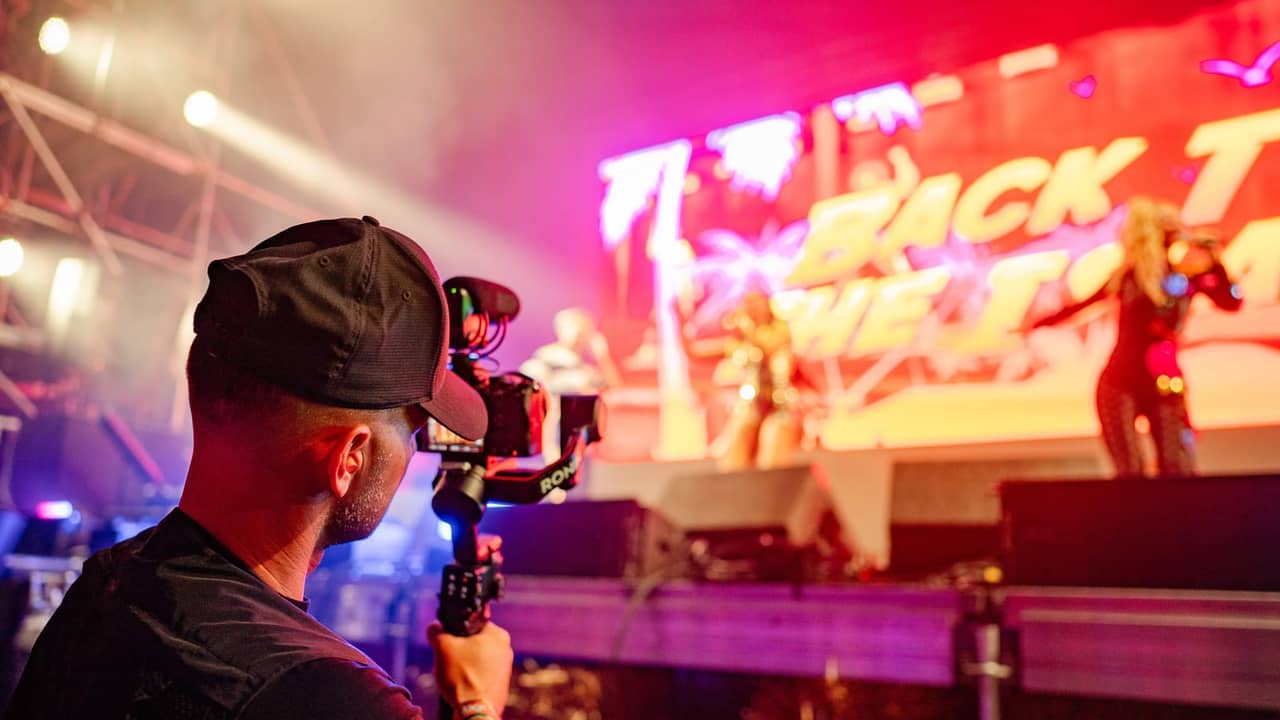
The aftermovie has picked up a certain amount of mystique over the last decade. A handful of very large electronic music festivals built their global brand on cinematic recap films, and the format acquired a reputation for being something you commission from an auteur with a drone and a helicopter budget.
That reputation is unhelpful if you are running a one-day urban festival, a three-stage county event or a club brand takeover. The aftermovie is not a genre reserved for the biggest names. It is a defined product with a defined scope, a defined set of on-site requirements and a defined delivery. Once you treat it that way, briefing one becomes straightforward.
This piece sets out what a festival aftermovie actually is, how it differs from the other video you might be thinking of, what a crew needs from you on the day, and what should land in your inbox afterwards.
What a festival aftermovie actually is
A festival aftermovie is a short, music-led film that recreates the feeling of being at your event, built to sell the next edition.
The important words there are "feeling" and "sell". An aftermovie is not a record of proceedings. It does not need to show every stage, every headliner or every sponsor activation in proportion to its importance. It needs to compress the energy of a weekend into a minute or two of footage that makes someone who was not there feel like they missed out, and makes someone who was there want to tag three friends.
Mechanically, that means a few things are always true of the format:
- It is cut to a single music track, and the edit follows the structure of that track rather than the chronology of the event.
- It leans heavily on faces, crowds and reactions, not just stage wides.
- It uses texture: hands in the air, confetti, dust in a light beam, someone laughing at a bar, the queue at sunrise.
- It is short enough to watch twice.
An aftermovie is a marketing asset first. Every decision in the edit should be defensible on that basis.
Aftermovie or highlights video?
These get used interchangeably and they should not be. They answer different questions.
A highlights video answers "what happened?" It runs through the event in a recognisable order, gives each stage or segment fair coverage, usually includes some interview or voiceover, and often carries lower thirds naming artists, partners or venues. It is the right choice when you need to report to funders, satisfy sponsor contracts with evidence of brand presence, or keep an archive of a milestone edition. It can comfortably run three to five minutes because its audience has a reason to watch to the end.
An aftermovie answers "what did it feel like?" It has no obligation to be representative. It can spend fifteen seconds on a single moment because that moment carries the film. It rarely uses interviews. It almost never uses lower thirds. Its audience has no reason to watch it, which is exactly why it has to earn attention in the first three seconds.
If you are genuinely unsure, the deciding question is where the video will live. If the answer is a sponsor report, a grant submission or an internal review, you want a highlights video. If the answer is Instagram, TikTok, a paid ad set and the hero slot on next year’s ticket page, you want an aftermovie.
Plenty of events commission both from the same shoot. That is a sensible use of a crew that is already on site, and it is worth saying up front rather than discovering mid-edit that you need two different things from one set of rushes. Our wider approach to nightlife and festival filming covers how that multi-deliverable model usually gets structured.
What a crew needs on site
An aftermovie is won or lost on access. The edit can only be as good as the material, and the material is governed almost entirely by where the camera operators are allowed to stand and how quickly they can get there.
Passes. All areas or AAA wristbands for every member of the crew, including anyone assisting. A crew member stuck at a perimeter fence negotiating with a steward is a crew member not filming the thing you are paying for.
Pit access for key performances. Front of stage pit positions produce the shots that carry an aftermovie: the artist from below, the crowd from the artist’s eye line, the pyro and lighting hits in full. If your pit is contracted to press for the first three songs only, say so in the brief so the shoot plan works around it.
A named on-site contact. One person, reachable by phone, who can clear the crew into back of house, production offices, sponsor areas and artist spaces at short notice. This single appointment solves more problems than any other piece of planning.
Running order and timings in advance. Not the public version. The internal one, with changeover times, pyro and confetti cues, and anything scheduled that is visually significant.
Time before the gates open. Empty site footage at golden hour, build shots, signage, the production team at work and the stage lighting tested in an empty field are all genuinely useful. They give an edit somewhere to start and somewhere to breathe.
Multicam coverage across the day. A typical festival aftermovie shoot runs at least two operators working different zones, so that the headline set is covered from the pit while crowd and site texture is being gathered elsewhere. On larger or multi-day events that number rises. The point of multicam here is not angle coverage of a single performance; it is simultaneous coverage of a site that is too big for one person to cross in a set.
Clarity on what cannot be filmed. Artist restrictions, under-18 areas, welfare and medical spaces, and any performer with a no-film clause. Give the crew this list in writing before the day.
What you should expect to receive
The deliverable is not a single video file dropped into a WeTransfer link. A properly scoped festival aftermovie comes back as a small package.
A main cut. Typically 60 to 120 seconds for an event using it as the primary social and advertising asset. A longer two to three minute version is common where the film also needs to serve a website hero or a partner presentation.
Platform versions. The same cut re-framed vertically for Reels, TikTok and Stories, plus a square option where it is useful. Re-framing is a real editorial job, not a crop, because an aftermovie composed for 16:9 will lose its subjects in 9:16 unless someone reworks it shot by shot.
Files in usable formats. Delivered as H.264 or H.265 MP4 for everyday use, with a higher bitrate master available if you need it for broadcast, large-format screens or re-editing later.
On usage, the thing to get written down is scope rather than price. Agree in advance which channels the film can appear on, whether sponsors and partners can repost or re-edit it, whether it can run as paid media, and how long those permissions last. Keep music licensing as a separate conversation, because the right to use a commercial track in an organic social post is not the same as the right to use it in a paid ad campaign, and that distinction has caught out plenty of events.
Turnaround: standard and express
Two turnarounds cover almost every scenario.
A five working day standard turnaround suits most festivals. It allows the editor time to actually work through the rushes, build a cut that holds together, colour and sound it properly, and give you one meaningful round of feedback before delivery. If you are publishing the aftermovie to announce next year’s dates or to support an early bird on-sale, five days is comfortable and the quality ceiling is higher.
A 48-hour express turnaround is for when the content has to land while people are still posting about the weekend. There is a real window after a festival in which attendees are primed to share, and it closes fast. Express exists to hit that window.
Express has conditions attached, and they are worth knowing before you ask for it. The music needs to be chosen and cleared before the event. The brief needs to be locked, because there is no time to change direction. Review rounds are compressed to one, usually with a tight response deadline. And the crew needs to be resourced for it from the start, since someone is ingesting and logging footage while the event is still running.
How to brief a crew before the event
A good brief is short, specific and sent at least a fortnight ahead. It should cover:
- The purpose. What this film is for. "Drive early bird sales for 2027" is a brief. "Capture the vibe" is not.
- The audience. Who you want watching it and where they will see it.
- The music. The track, or at minimum the tempo and mood. Everything in the edit hangs off this.
- Five moments you cannot miss. Name them. The headliner’s drop, the sunset over the main stage, the fancy dress parade, the secret set. Five is enough; twenty is a wish list.
- Sponsor obligations. Which brands need visible presence and where their activations are. Even on a feeling-led film, a quick identifiable second of a branded bar keeps a partner happy.
- Reference films. Two or three aftermovies you like, with a line on what you like about each. This is the fastest way to align on tone.
- The restrictions. Everything the crew cannot film, in writing.
- Access and contacts. Passes, pit arrangements, and the named person with a working phone.
Send that, and most of the risk goes out of the project. The crew arrives knowing what matters, and you receive something built against a target instead of something assembled from whatever happened to get filmed.
If you have an event in the calendar and want to work out what coverage it needs, you can get a fast quote from Flexxed with the dates, site size and running order you have so far.
Questions
Frequently Asked Questions
How long should a festival aftermovie be?
Most sit between 60 and 120 seconds for social platforms, with a longer two to three minute cut for your website and sponsor reporting. Anything past about three minutes tends to lose people unless it is being shown to a captive audience, such as at a launch event for next year’s edition.
What is the difference between an aftermovie and a highlights video?
A highlights video documents what happened in roughly the order it happened. An aftermovie is built around feeling and momentum, cut to music, and is designed to make someone want to be there next time. Choose a highlights video for reporting and records, and an aftermovie for marketing the next edition.
How quickly can we get the edit back?
A standard turnaround of five working days suits most festivals and allows for a review round. A 48-hour express turnaround exists for when the content needs to land while the event is still being talked about, and it requires the brief and music to be locked before the event starts.
Can we use the aftermovie in paid advertising?
That depends on the usage terms agreed in writing before filming and, separately, on the music licence. Paid media, out of home and third party sponsor channels are all worth naming in the brief so the rights are scoped correctly from the start.
What access does the crew need on site?
At minimum, an all areas wristband or AAA pass, pit access for the key performances, and a named contact who can clear the crew into back of house, production and sponsor areas quickly. Access gaps are the most common reason a shot list goes unfilled.